

You've just watched a streamer turn a $2 spin into a $4,000 payout on a slot you play every week. You load the same game, spin the same bet, and watch your balance bleed out in twenty minutes. Nothing is broken. The difference is volatility, and understanding it will change how you pick games far more than any "hot slot" list ever will.
Volatility (sometimes called variance) describes how a slot distributes its payouts over time. Two games can have identical return-to-player percentages — say 96% — and behave like completely different animals. One dribbles small wins constantly. The other eats your balance for 300 spins and then hands you 800x. Same math, totally different experience.
What RTP Actually Tells You (And What It Doesn't)
RTP is the long-run average return per dollar wagered, measured over millions of spins. A 96% RTP game returns $96 for every $100 staked — theoretically. That figure says nothing about when or how those returns arrive. It's an average, and averages hide everything interesting.
Here's the practical trap: players hunt for the highest RTP and assume that's the whole strategy. A 97% RTP slot with extreme volatility can wipe a $100 bankroll on $1 spins with brutal regularity. Meanwhile a 94% RTP low-volatility game might keep you playing for hours. If your goal is entertainment time rather than chasing a jackpot, the "worse" RTP game is often the smarter pick.
- Low volatility: frequent small wins, usually 2x–10x your bet, gentle bankroll drain
- Medium volatility: balanced mix, wins in the 10x–50x range appear reasonably often
- High volatility: long dry spells, wins of 100x–5,000x+ possible, bankroll swings are violent
- Extreme volatility: think jackpot-style mechanics — thousands of dead spins, then a life-changing hit
The Hit Frequency Number Most Players Ignore
Hit frequency is the percentage of spins that return anything, even less than your stake. A slot with 25% hit frequency wins on one in four spins. One with 45% wins almost every other spin. This single stat predicts your session experience better than RTP does.
Low-volatility games typically sit around 40–50% hit frequency. High-volatility titles often drop to 18–25%. That gap explains why some sessions feel like death by a thousand cuts while others feel like a slow, steady grind. Neither is rigged; they're just tuned differently.
If you play slots on a limited budget, hit frequency should be your first filter. Check it in the game's info panel — most reputable providers publish it alongside RTP and max win.
Bankroll Math That Actually Works
The classic advice is 100–200 bets per session, but that's too thin for high-volatility games. A better rule: your bankroll should cover at least 300–500 bets if you're playing high-variance slots. On $1 spins, that means a $300–$500 session budget minimum. Before making a choice, it helps to review สล็อตเว็บตรง.
Want a quick volatility check without reading the fine print? Load the game in demo mode and spin 100 times at minimum bet. Count how many spins produced zero return. That ratio gives you a rough feel for the game's personality in about five minutes.
- Decide your total session budget before you open any game.
- Work out your bet size as 0.2%–0.5% of that budget for high-volatility slots.
- Set a loss limit and a win limit, and actually stop when you hit either.
- Never increase bet size mid-session to "force" a recovery — that's how bankrolls die.
Volatility Around the Table and in the Poker Room
The concept extends well beyond slots. In blackjack, basic strategy produces low volatility with a tiny house edge; counting cards raises both your edge and your variance dramatically. In sports betting, a -400 favorite is low volatility (small profit, high strike rate), while a 6-leg accumulator is slot-level variance wearing a different hat.
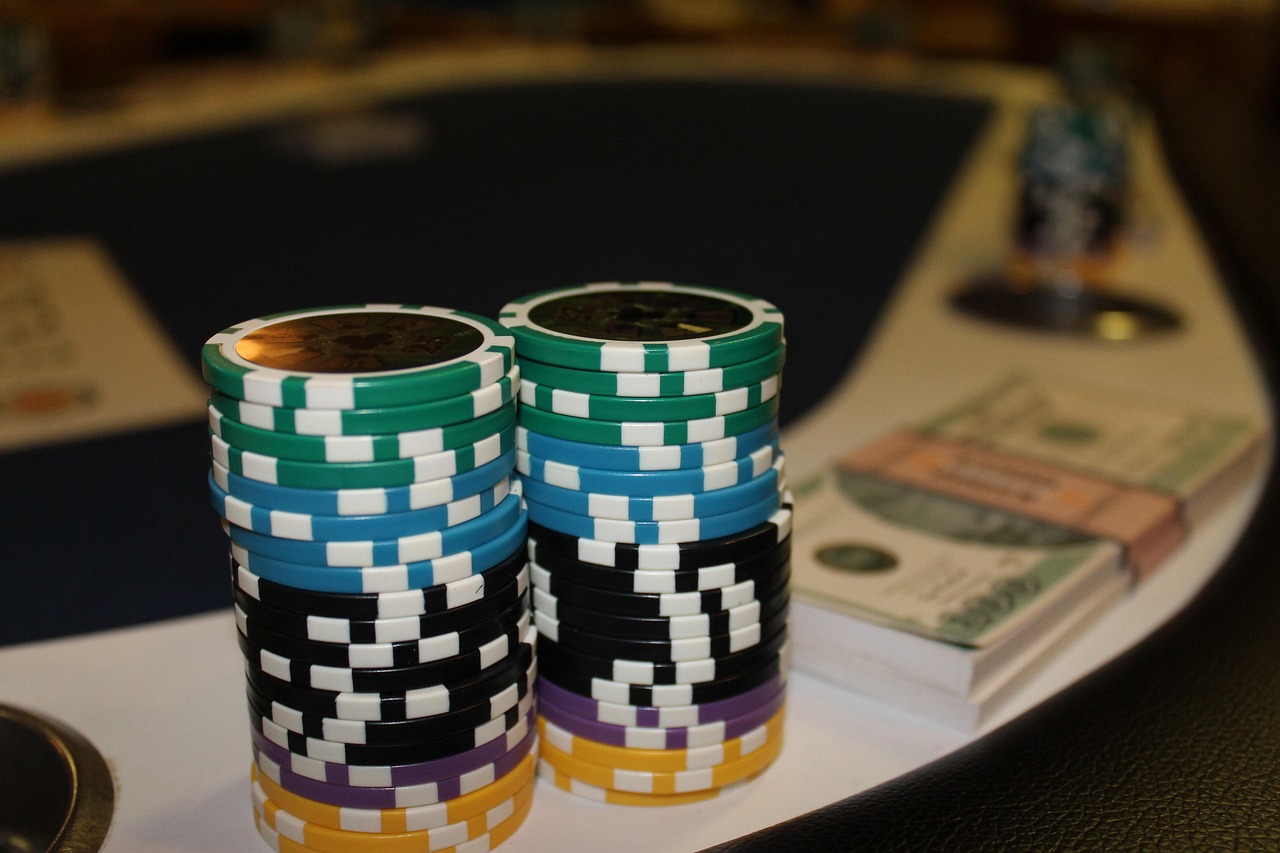
Poker is the clearest example. A solid tournament player can go 20 events without a final table and still be profitable long-term. Cash game grinders face the same reality: 50,000 hands is barely a meaningful sample for assessing true win rate. Variance in poker isn't a flaw — it's the reason weak players keep buying in.
Roulette splits the concept neatly too. Even-money outside bets (red/black, odd/even) sit at low volatility. A single-number straight-up bet at 35-to-1 is maximum volatility on the same wheel, same 2.7% house edge. Your choice changes the ride, not the math.
Choosing Games to Match Your Mood and Goals
There's no universally "best" volatility. It depends on what you want from the session.
If you want a long, social session with friends over a few drinks, low-volatility slots and even-money table bets stretch your money into hours of entertainment. If you're specifically hunting a big score and accept that most sessions will end in a loss, high-volatility slots and tournaments are built for exactly that. Know which mode you're in before you deposit.
One more concrete tip: bonus buy features are usually the highest-volatility option inside a slot. Buying a $100 bonus on a high-variance game is a coin-flip-style decision with a wide range of outcomes. Treat it as a gamble within a gamble, not as a shortcut.
The players who last aren't the ones who find secret "loose" machines. They're the ones who match their bet sizing, game choice and expectations to reality. Volatility is the lever that controls your experience, and once you understand it, you stop blaming the game and start making better decisions.