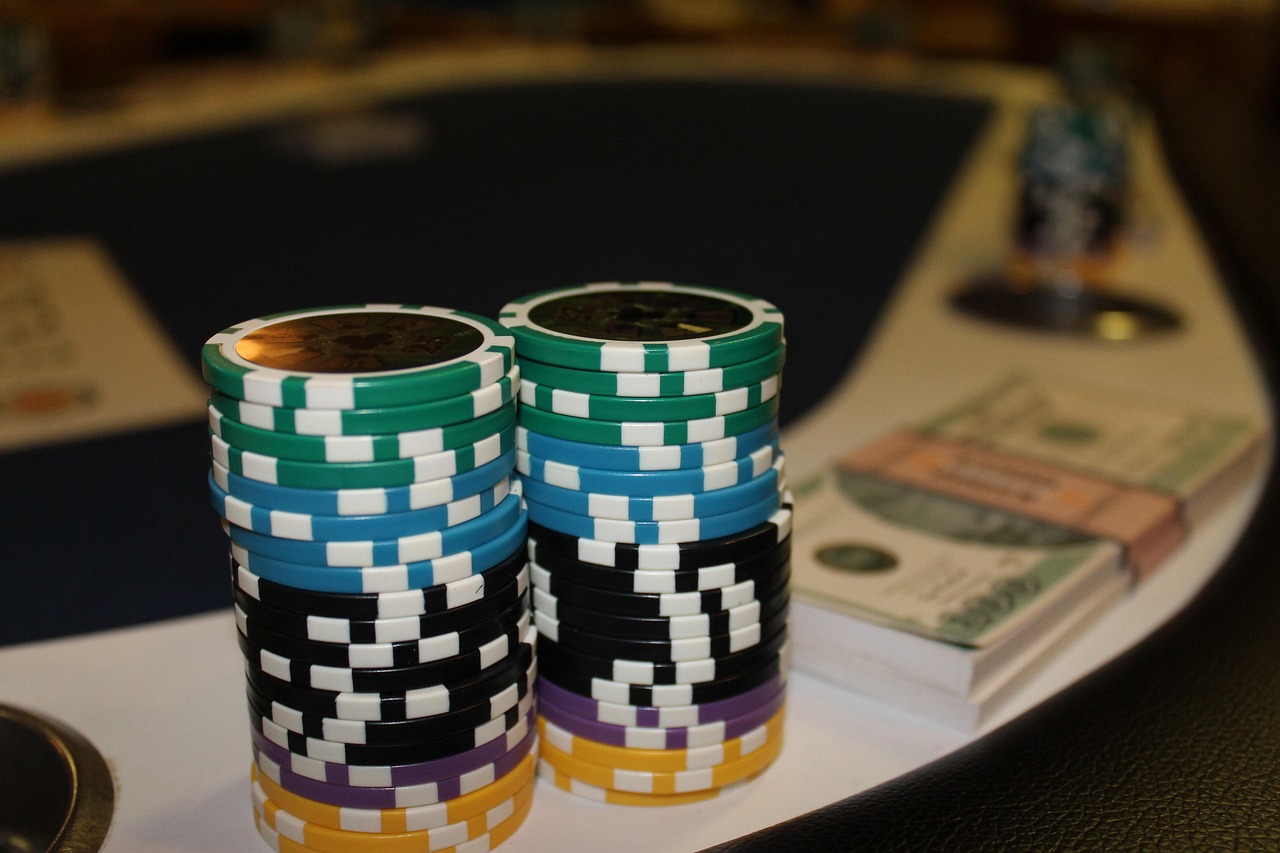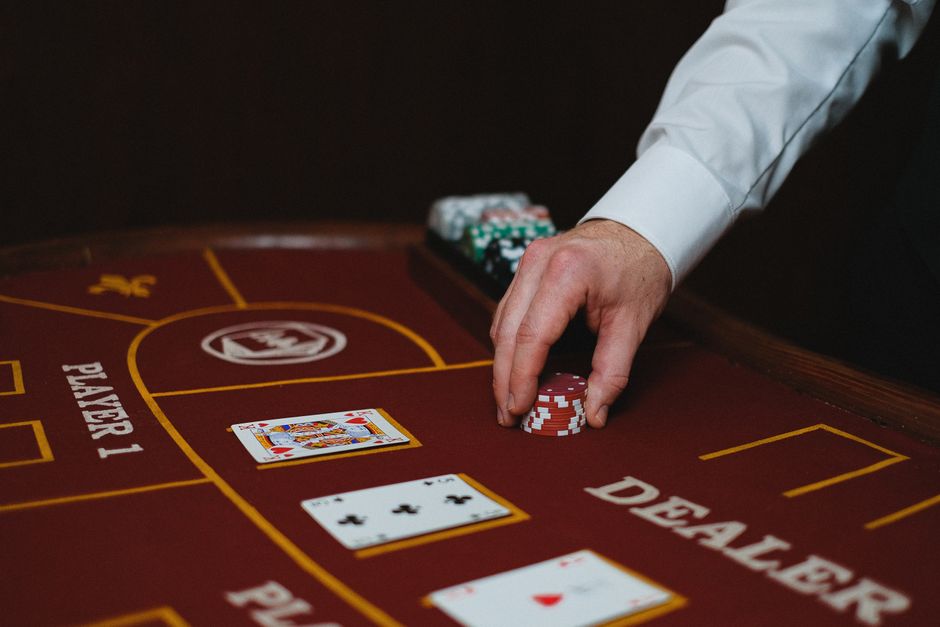


You’ve seen the flashy ads. You’ve heard the stories of massive jackpots and bad beats. But beneath the surface of spinning reels and river cards lies a complex ecosystem of math, psychology, and strategy. Welcome to iGaming – where entertainment meets edge. Whether you’re a casual slot spinner or a budding poker shark, understanding the mechanics behind the games is the difference between donating your bankroll and playing with purpose. Let’s cut through the noise.
Slots: Beyond the Flashing Lights
Slots are the undisputed king of the casino floor, both online and off. They require no skill, no bluffing, and no complex strategy. That simplicity is a double-edged sword. The house edge on a typical slot machine ranges from 2% to 15%, depending on the game and the jackpot size. Compare that to blackjack’s 0.5% (with perfect strategy) or video poker’s 1%, and you see why slots are so profitable for operators.
But not all slots are created equal. The key differentiator is volatility. A low-volatility slot pays out frequently but in small amounts – think of it as a slow bleed. High-volatility slots are stingy with wins but can drop a life-changing sum in a single spin. Your choice should depend on your bankroll and temperament. If you’re playing with $50, a high-volatility slot might eat it in 20 minutes. If you’re chasing a jackpot, you accept the risk. สล็อตเว็บตรง is a solid starting point for anyone new to this.
Slot Tips That Actually Matter
- Check the RTP: Return to Player (RTP) is listed in the game’s info panel. 96% is standard; 97%+ is excellent; anything under 94% is a trap.
- Max bet for jackpots: Many progressive jackpots require the maximum bet to qualify. Read the rules.
- Bonuses aren’t free: Welcome bonuses often come with 30x to 50x wagering requirements. A $100 bonus with 40x means you must bet $4,000 before withdrawing anything.
- Stop-losses are sacred: Set a loss limit before you spin. When it’s gone, walk away. The machine doesn’t know you and doesn’t care.
Poker: Where Skill Beats Luck
If slots are a lottery, poker is a chess match with money. The house doesn’t play a hand; it takes a rake – typically 5% of each pot, capped at a few dollars. That means your only edge comes from outplaying opponents. Over the long run, the better player wins. That’s why poker is the only iGaming vertical where professionals consistently profit.
The modern online poker landscape is brutal. Solvers – software that calculates game-theory optimal (GTO) strategies – have raised the bar. If you’re playing $1/$2 no-limit hold’em, you’re facing opponents who have memorized preflop ranges and know when to bluff-raise the river. That doesn’t mean you can’t win. It means you need to pick your spots.
Three Leaks That Cost You Money
- Playing too many hands: In a 6-max game, a 22% VPIP (Voluntarily Put money In Pot) is standard. If you’re at 40%, you’re bleeding chips.
- Ignoring position: The button is gold. You can play more hands there because you act last on every street. Under the gun, fold marginal hands like A10o.
- Emotional calling: The worst reason to call a bet is “I want to see what you have.” If you can’t beat a bluff, fold.
Bankroll management is non-negotiable. For cash games, you need at least 20 buy-ins for the stake you’re playing. For tournaments, 50 to 100 buy-ins. That means if you have $500, you should be at $0.02/$0.05 – not $0.25/$0.50. Swallow your pride or you’ll go broke.
Sports Betting: The Margin Game
Sports betting is the fastest-growing iGaming segment, fueled by mobile apps and legalization in dozens of jurisdictions. But here’s what the ads don’t tell you: bookmakers build a profit margin into every line. A standard point spread might be -110 on both sides, meaning you bet $110 to win $100. That extra $10 is the vig – the book’s cut.
To win long-term, you need to find value – lines that are mispriced due to public bias or injury news. For example, if a star quarterback is questionable, the public might hammer the opposing team, moving the line too far. Sharp bettors wait for the news and then strike before the book adjusts. That’s called beating the closing line, and it’s the hallmark of a winning bettor.
Betting Angles That Work
- Fade the public: When 80% of bets are on one side, the line often moves. Sometimes the sharp money is on the other side. Use sites like Action Network to track percentages.
- Live betting: In-play markets offer value if you’re watching the game. A team down 10 points in the first quarter isn’t dead, but the live line might treat them like they are.
- Shop around: Different books have different lines. A half-point difference in NFL spreads can turn a loss into a push – or a win. Always compare.
The Psychology of iGaming: Your Brain on Gambling
Every game in the iGaming world is designed to keep you playing. Slot machines use variable ratio reinforcement – the same psychological principle that makes social media addictive. You never know when the next win will come, so you keep spinning. Poker rewards patience, but boredom can lead to tilt – emotional, reckless play. Sports betting offers a dopamine hit with every goal, every touchdown.
Recognizing these traps is the first step to controlling them. Set time limits, not just money limits. Take breaks. Don’t chase losses. If you’re playing to escape stress, you’re not playing – you’re gambling. There’s a difference.
Final Thoughts: Play Smart, Not Hard
iGaming is a marathon, not a sprint. The slots will still be there tomorrow. The poker table doesn’t close. The sportsbook takes bets 24/7. Your job is to treat it as entertainment with a cost, not a get-rich-quick scheme. Use bonuses wisely, understand the math, and never bet more than you can afford to lose. Whether you’re chasing a royal flush or a parlay, the smartest player in the room is the one who knows when to fold. Now go spin, deal, or bet – but do it with your eyes open.